Protect Your Home from Rodents and Insects
- Jamie Payne
- May 6
- 3 min read
Rodents and insects can quickly turn your home into their playground, causing damage and spreading diseases. If you’ve ever encountered a mouse scurrying across your kitchen floor or found ants marching through your pantry, you know how unsettling it can be. Fortunately, there are effective strategies to protect your home from these unwelcome guests. This guide will provide you with practical tips and insights to keep your living space pest-free.
Understanding the Threat
Common Rodents and Insects
Before you can effectively protect your home, it’s essential to understand the common pests that may invade your space:
Rodents: Mice and rats are the most common rodents found in homes. They can squeeze through tiny openings and reproduce quickly, making them a significant threat.
Insects: Ants, cockroaches, and termites are among the most common insects that invade homes. They can cause structural damage and contaminate food.
Why They Invade
Pests are often attracted to homes for several reasons:
Food Sources: Leftover food, crumbs, and improperly stored items can attract rodents and insects.
Shelter: Dark, warm places provide ideal nesting spots for pests.
Water: Leaky pipes and standing water can draw insects and rodents seeking hydration.
Prevention Strategies
Seal Entry Points
One of the most effective ways to prevent pests is to seal any potential entry points. Here’s how:
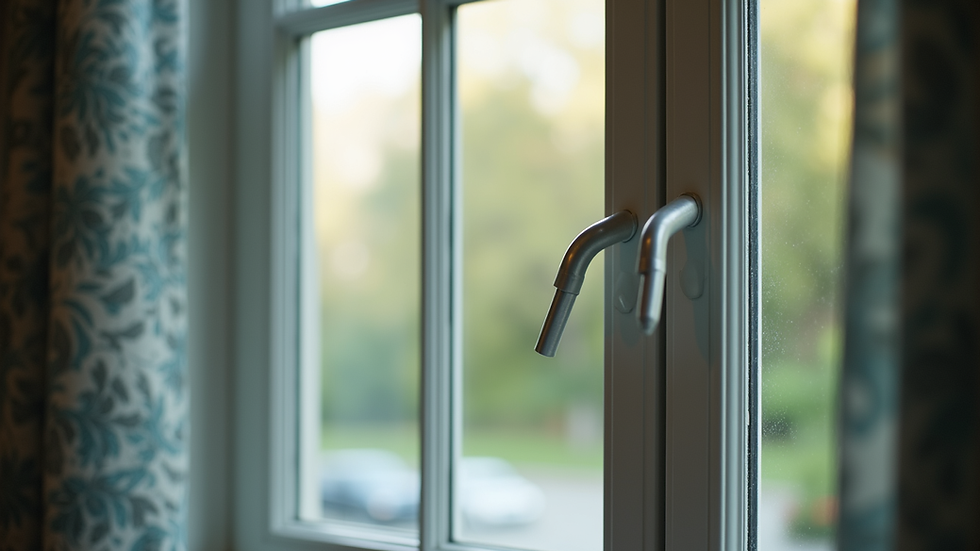
Inspect Your Home: Regularly check for cracks, gaps, and holes in walls, windows, and doors.
Use Caulk: Fill small gaps with caulk to prevent entry.
Install Screens: Ensure that windows and vents have screens to keep pests out while allowing airflow.
Maintain Cleanliness
Keeping your home clean is crucial in deterring pests. Follow these tips:
Regular Cleaning: Vacuum and sweep floors frequently to remove crumbs and debris.
Proper Food Storage: Store food in airtight containers and promptly clean up spills.
Dispose of Trash: Use sealed trash bins and take out the garbage regularly.
Landscaping Considerations
Your yard can also attract pests. Here’s how to manage your outdoor space:
Trim Vegetation: Keep shrubs and trees trimmed to prevent pests from using them as a bridge to your home.
Remove Debris: Clear away leaves, wood piles, and other debris where pests can hide.
Maintain Drainage: Ensure that water drains away from your home to prevent standing water.
Effective Pest Control Methods
Natural Remedies
If you prefer a more eco-friendly approach, consider these natural pest control methods:
Essential Oils: Oils like peppermint and tea tree can repel insects. Mix with water and spray around entry points.
Diatomaceous Earth: This natural powder can kill insects by dehydrating them. Sprinkle it in areas where pests are likely to enter.
Professional Pest Control
For severe infestations, hiring a professional pest control service may be necessary. Here’s what to expect:
Inspection: A professional will assess your home for signs of pests and entry points.
Treatment Plan: They will create a customized plan to eliminate pests and prevent future infestations.
Follow-Up: Regular follow-up visits may be necessary to ensure the problem is resolved.
Monitoring and Maintenance
Regular Inspections
Conduct regular inspections of your home to catch any signs of pests early. Look for:
Droppings: Small droppings can indicate rodent activity.
Nesting Materials: Shredded paper or fabric may suggest nesting.
Damage: Chewed wires or holes in walls can signal an infestation.
Seasonal Preparations
Different seasons bring different pest challenges. Here’s how to prepare:
Spring: Inspect for ants and termites as they become more active.
Summer: Focus on mosquitoes and flies; ensure standing water is eliminated.
Fall: Rodents seek shelter as temperatures drop; check for entry points.
Winter: Keep an eye out for pests seeking warmth indoors.
Conclusion
Protecting your home from rodents and insects requires a proactive approach. By sealing entry points, maintaining cleanliness, and utilizing effective pest control methods, you can create an environment that deters pests. Regular monitoring and seasonal preparations will further enhance your efforts. Remember, a pest-free home is not just about comfort; it’s about health and safety. Take action today to safeguard your living space from these unwanted invaders.


Comments